
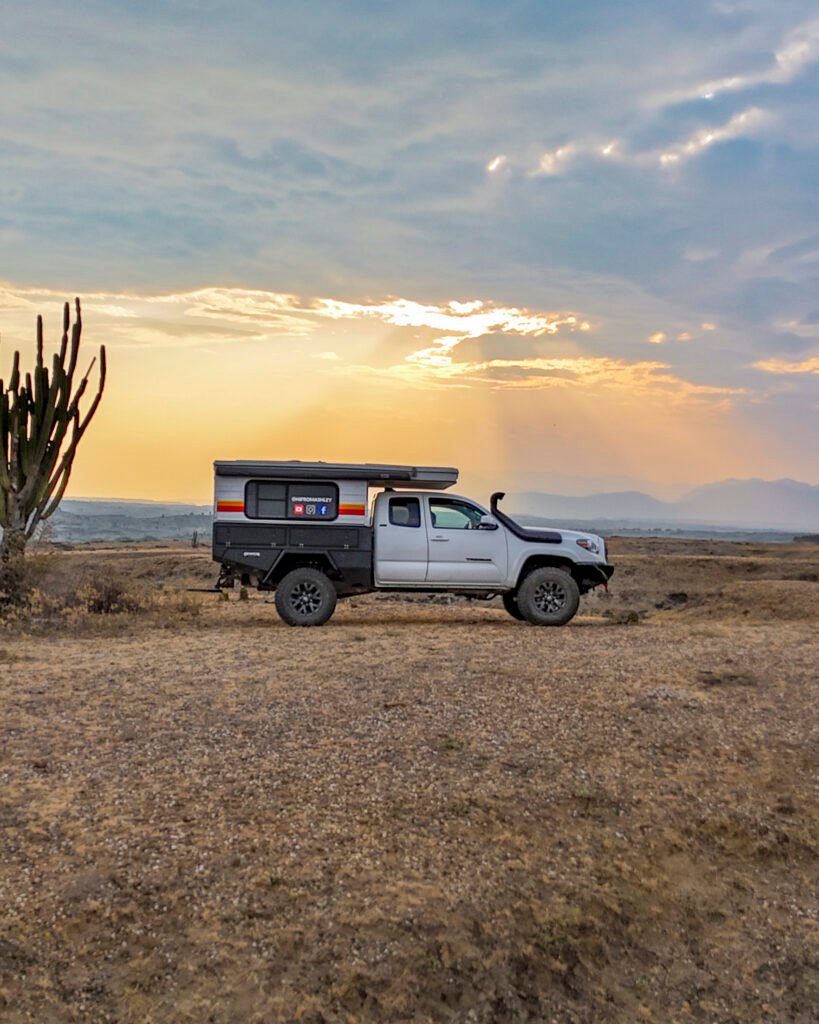
Hello dark skies! Colombia’s Tatacoa is a must for overlanders. There are about a dozen paid camps available, some even with a pool with endless options for wild camping.
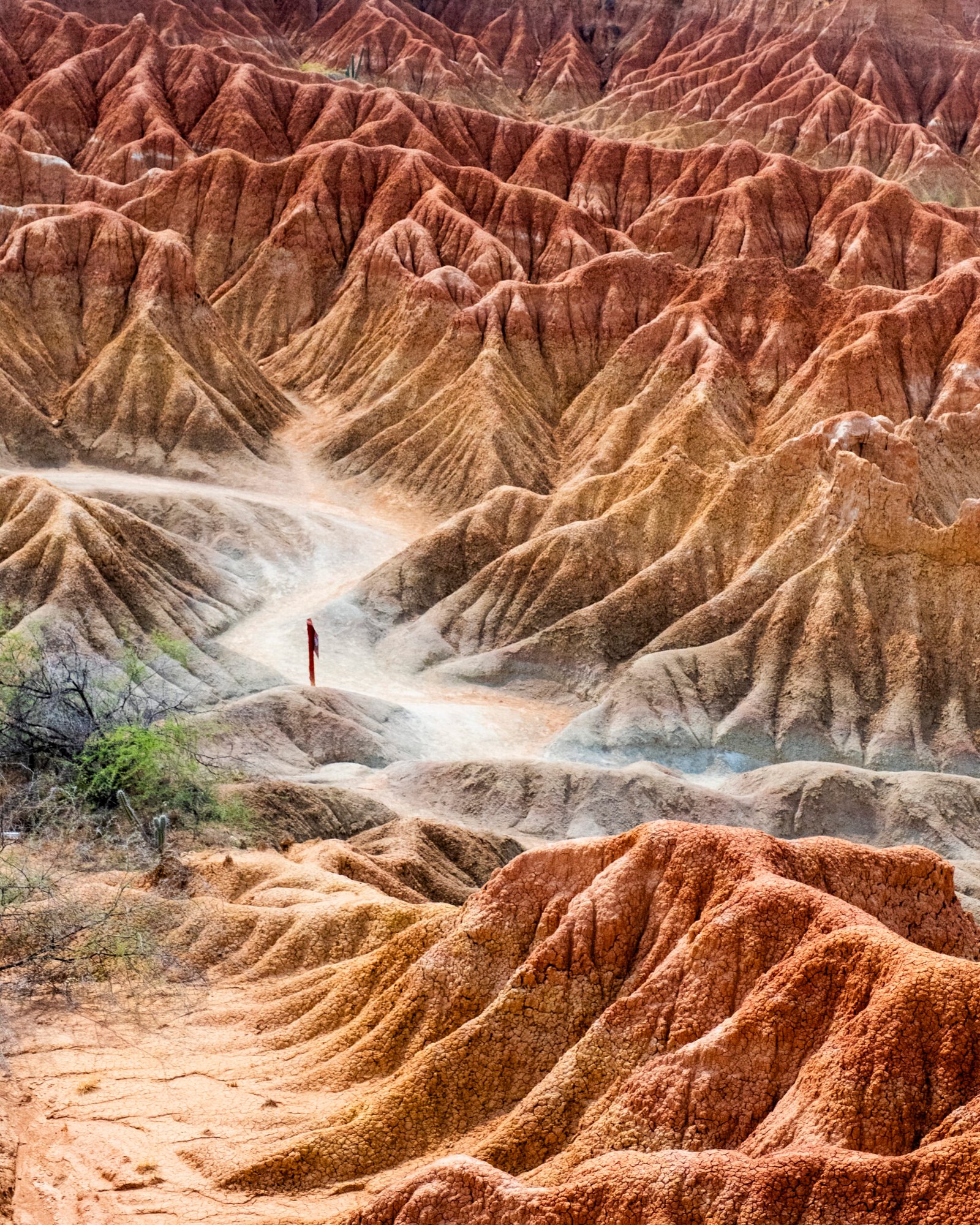
The first camp I recommend, is this spot close to the main town and observatory. There are several spots along the road to choose from, pick your favorite and set up camp. A few locals will pass on their way to and from work. Overall very quiet all day and night.
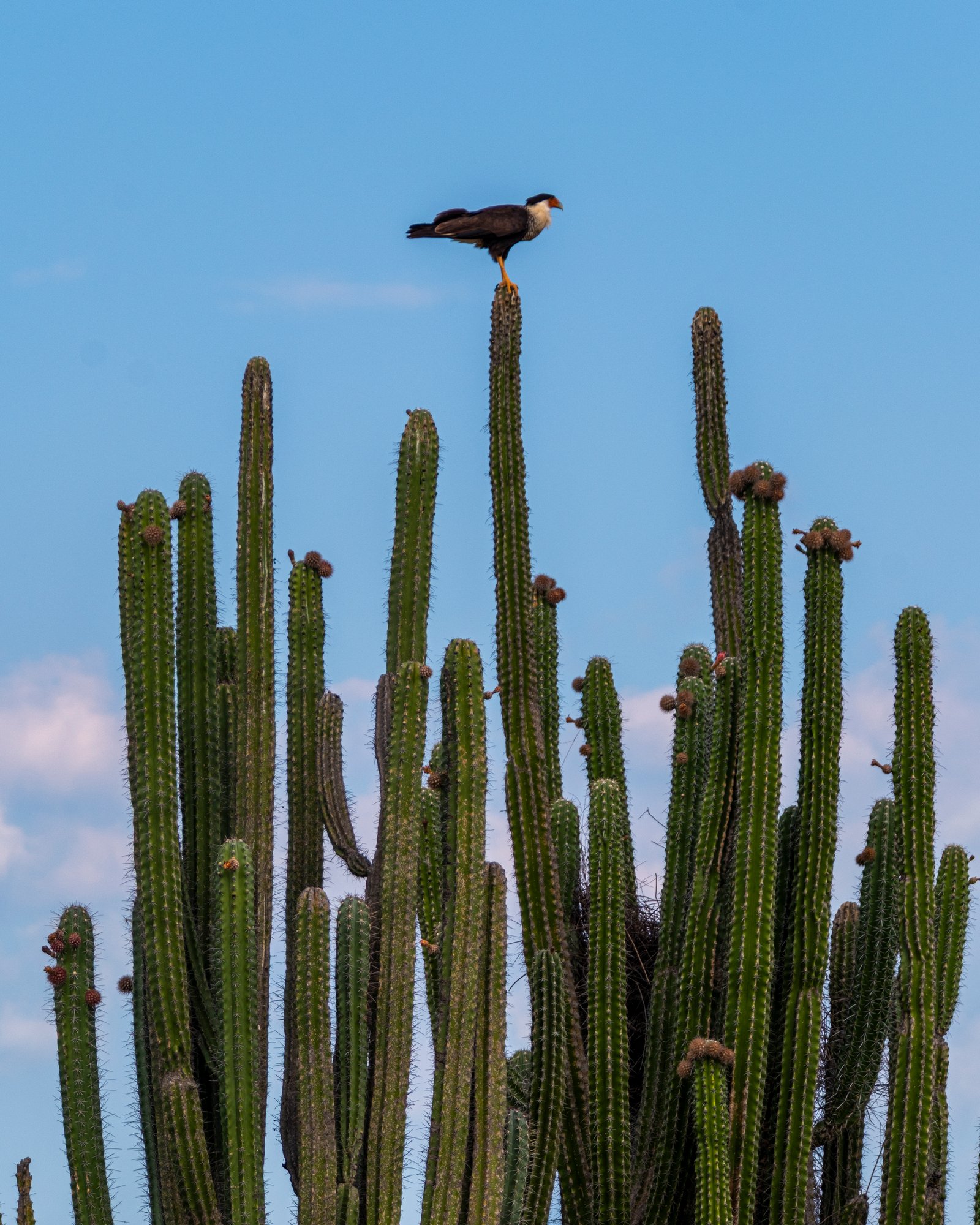
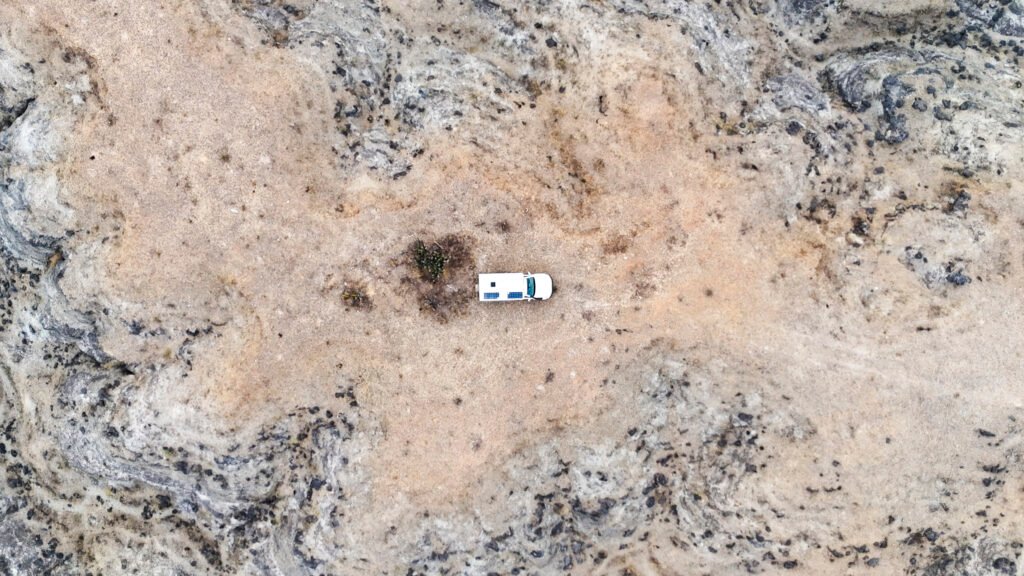
After you explore this side and spend time at the observatory, I recommend to drive the entire loop. The space is vast and there are hundreds of spots to wild camp.
The “Valley of Sadness” is what the colonizers called this desert when they arrived. Now, Tatacoa. This was the name given by the indigenous, Yararaca in the language of the Doches and Yaporoes of the large Pijaos family living in the area.
With its labyrinths winding between rock formations, the name Tatacoa came about in reference to its snake-like shape.
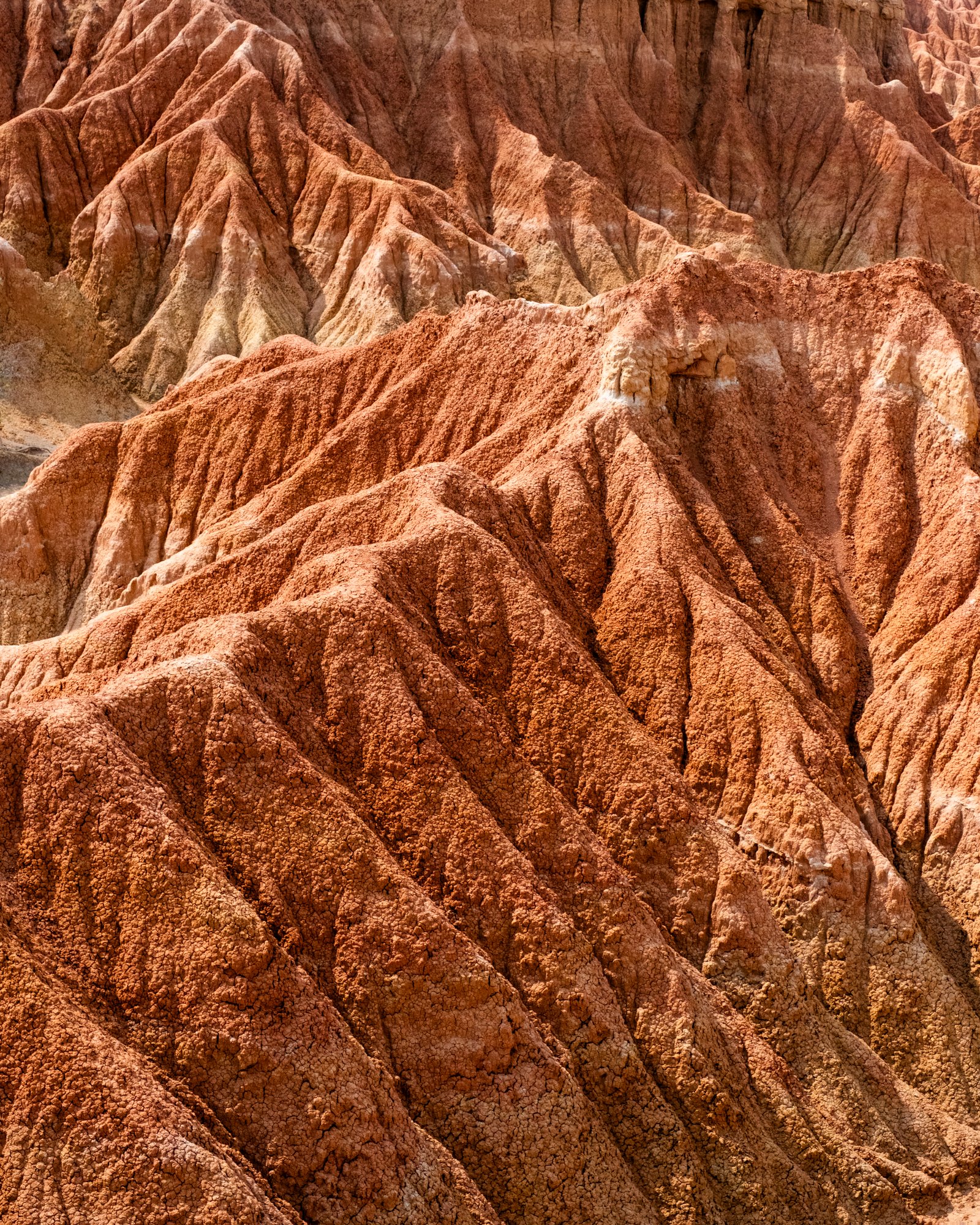
An estimated 10 – 16 million years ago, this region was a tropical rainforest similar to what today’s Amazon is. Scientists speculate that as the Cordillera Oriental rose, the desert dried out and forever altered the riverbeds and thus depriving this area of a water supply.
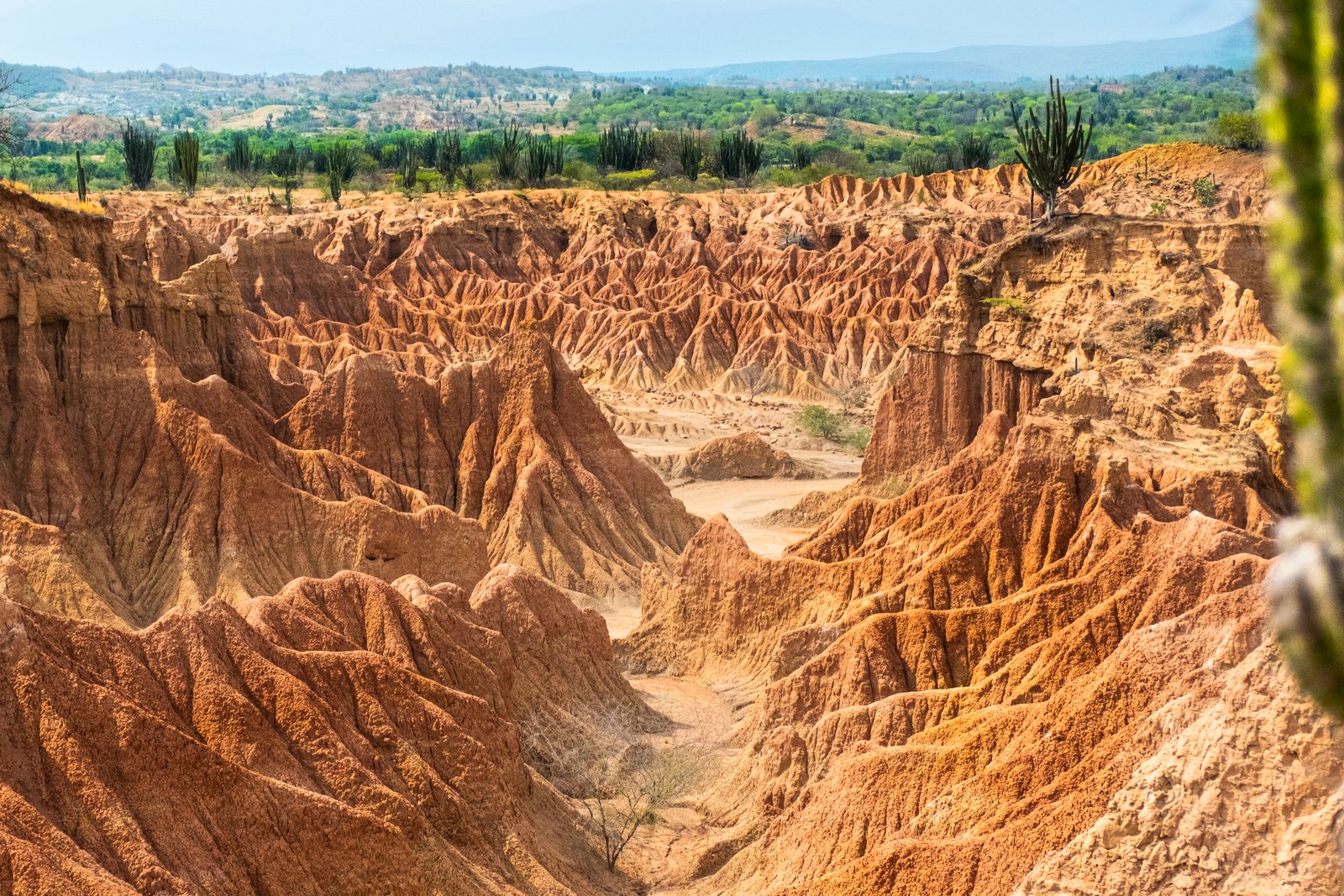
Tatacoa is currently the second driest area in Colombia, first is the Guajira desert. Contrary to the name, the Tatacoa ecosystem is not a desert but, a tropical dry forest!
Whether you’re into hiking, photography, or fossils, Tatacoa is an experience for all. On a clear night with a new moon, be sure to stay outside because with the naked eye, you can see the Milky Way. If you’re not sure what to look for, be sure to utilize a star gazing app such as sky guide which is free.
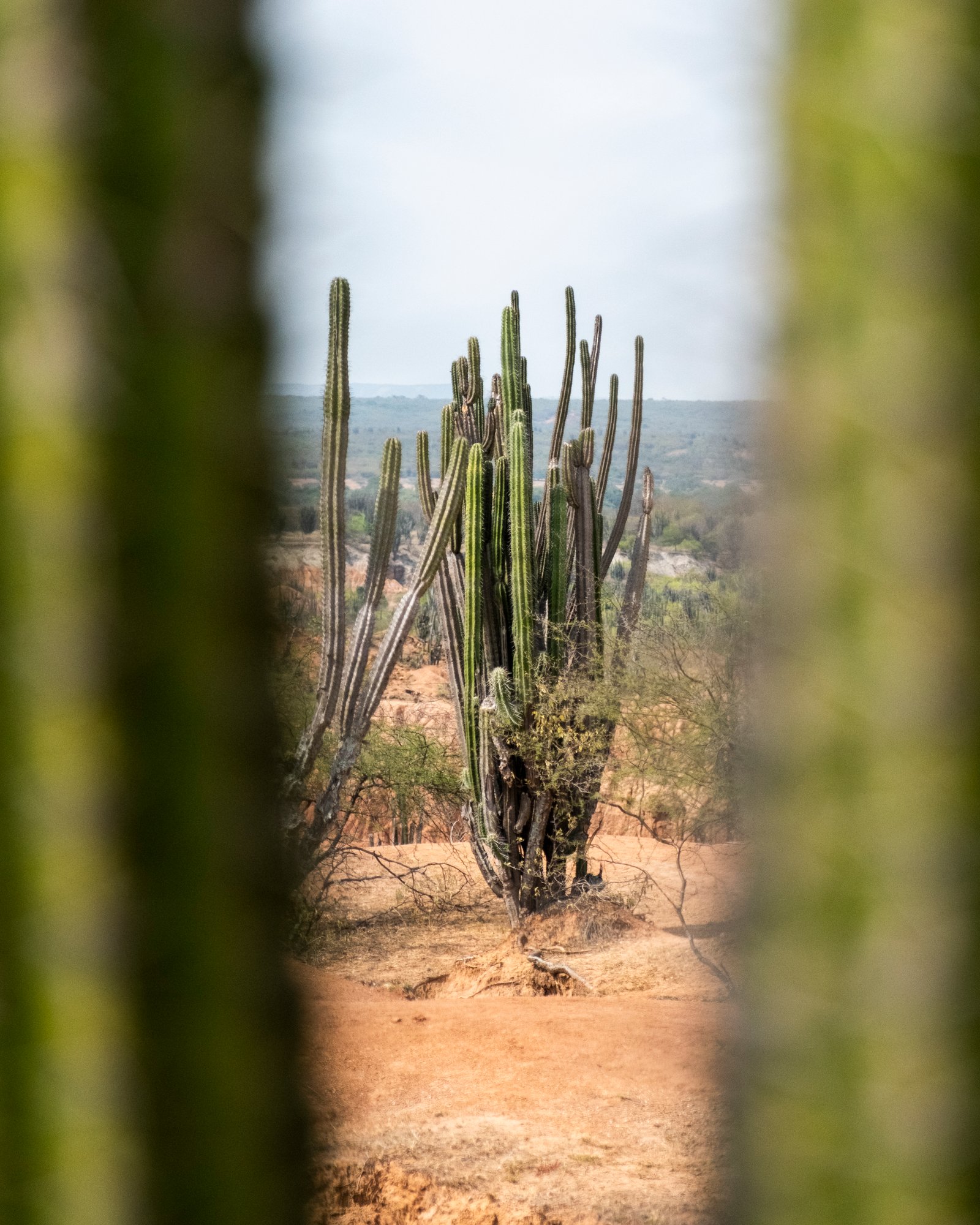
Due the the enormous quantities of fossils in this area, for over 100 years geologists and palaeontologists have been visiting this area. So much so that scientists collectively agree that they have at least another 200 years of research to complete here.
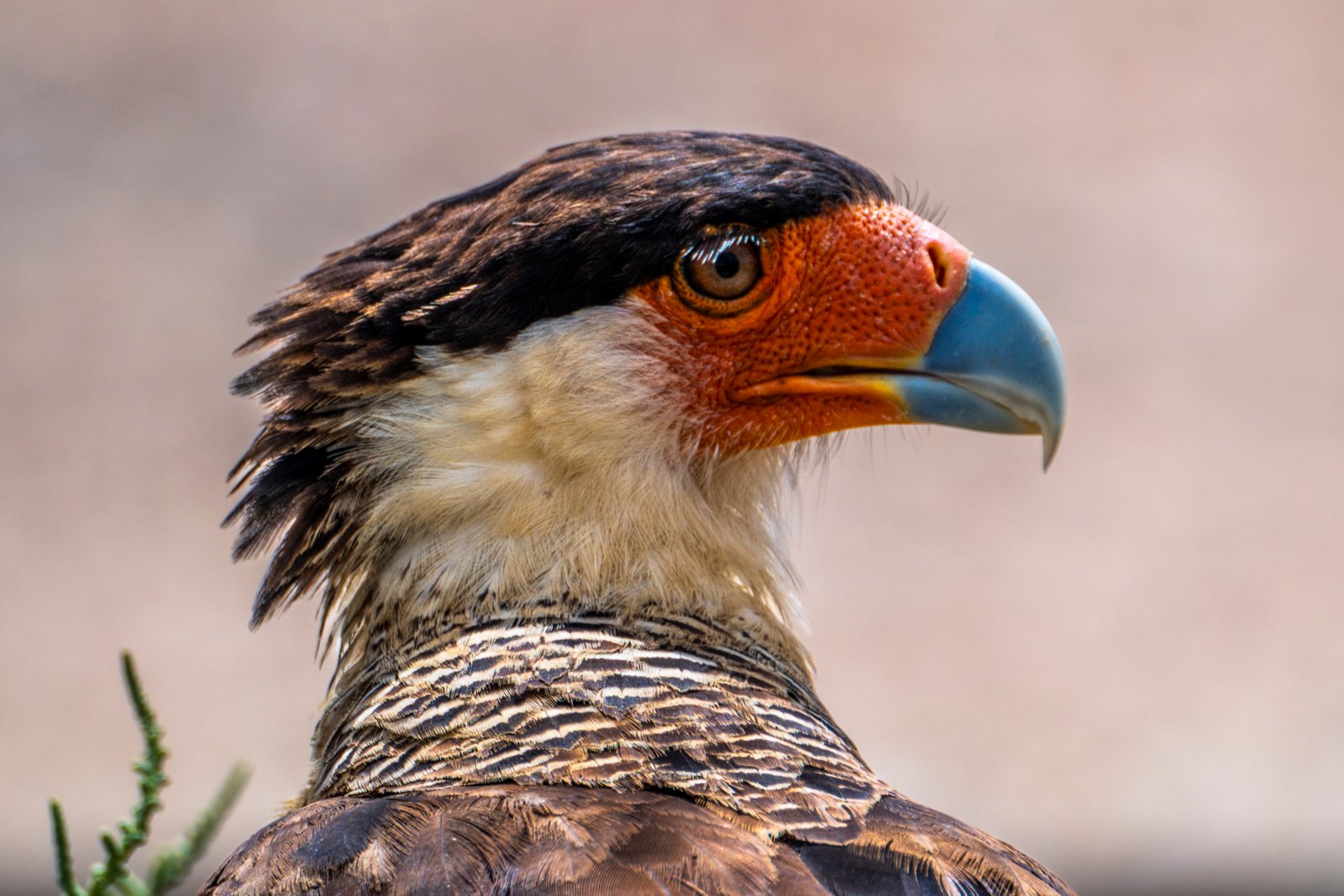
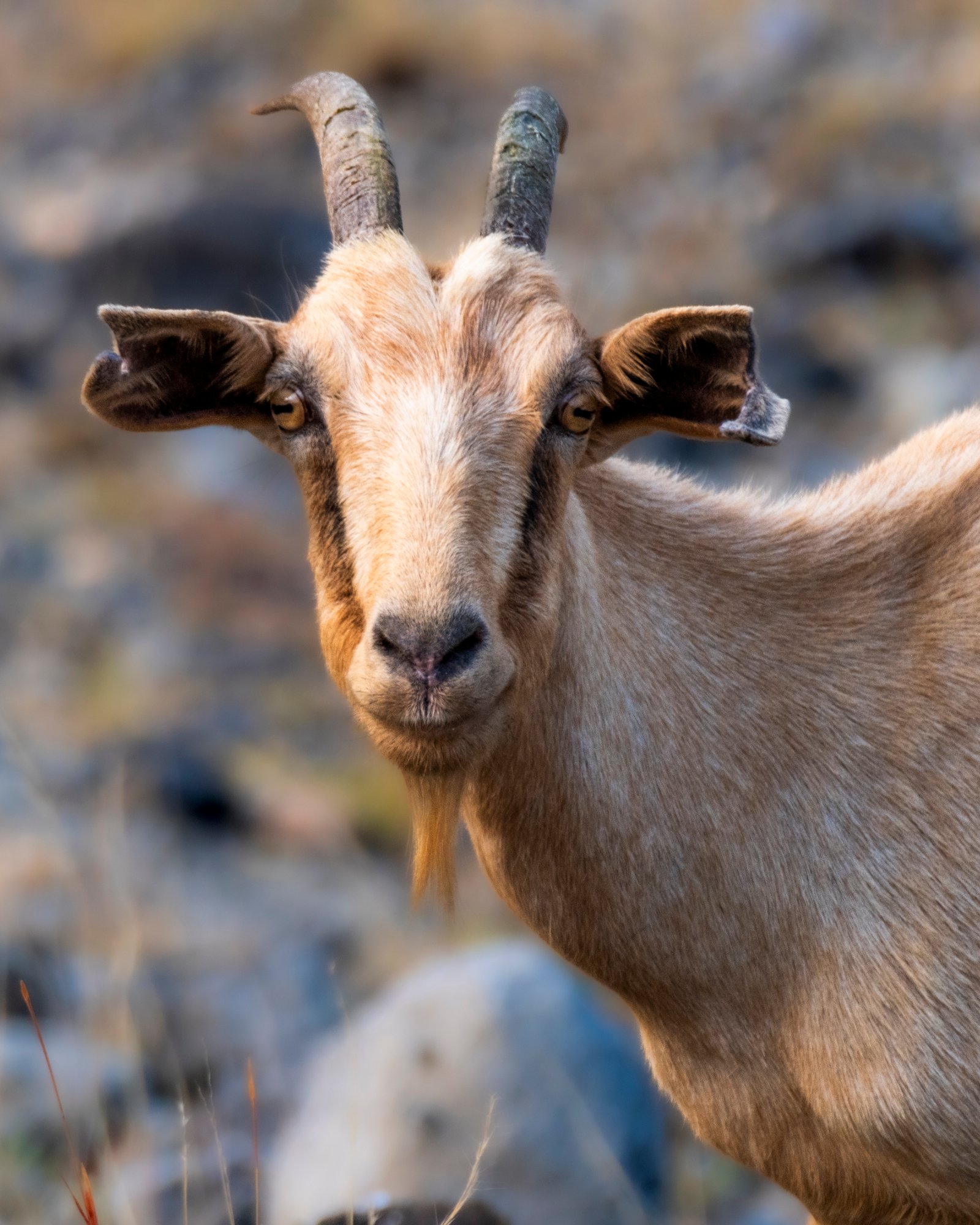
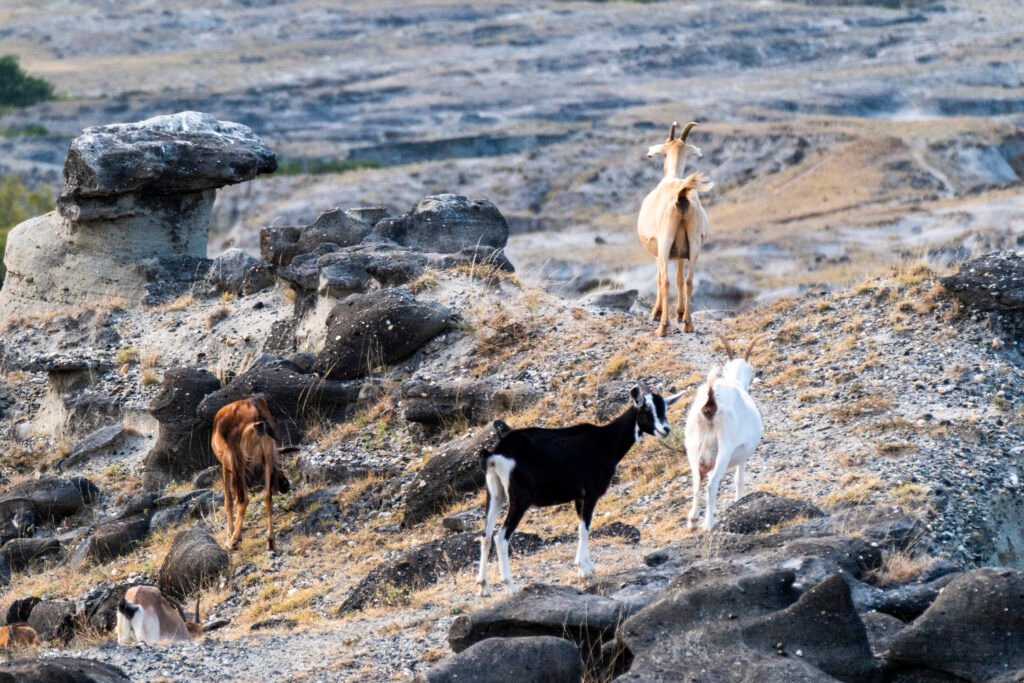
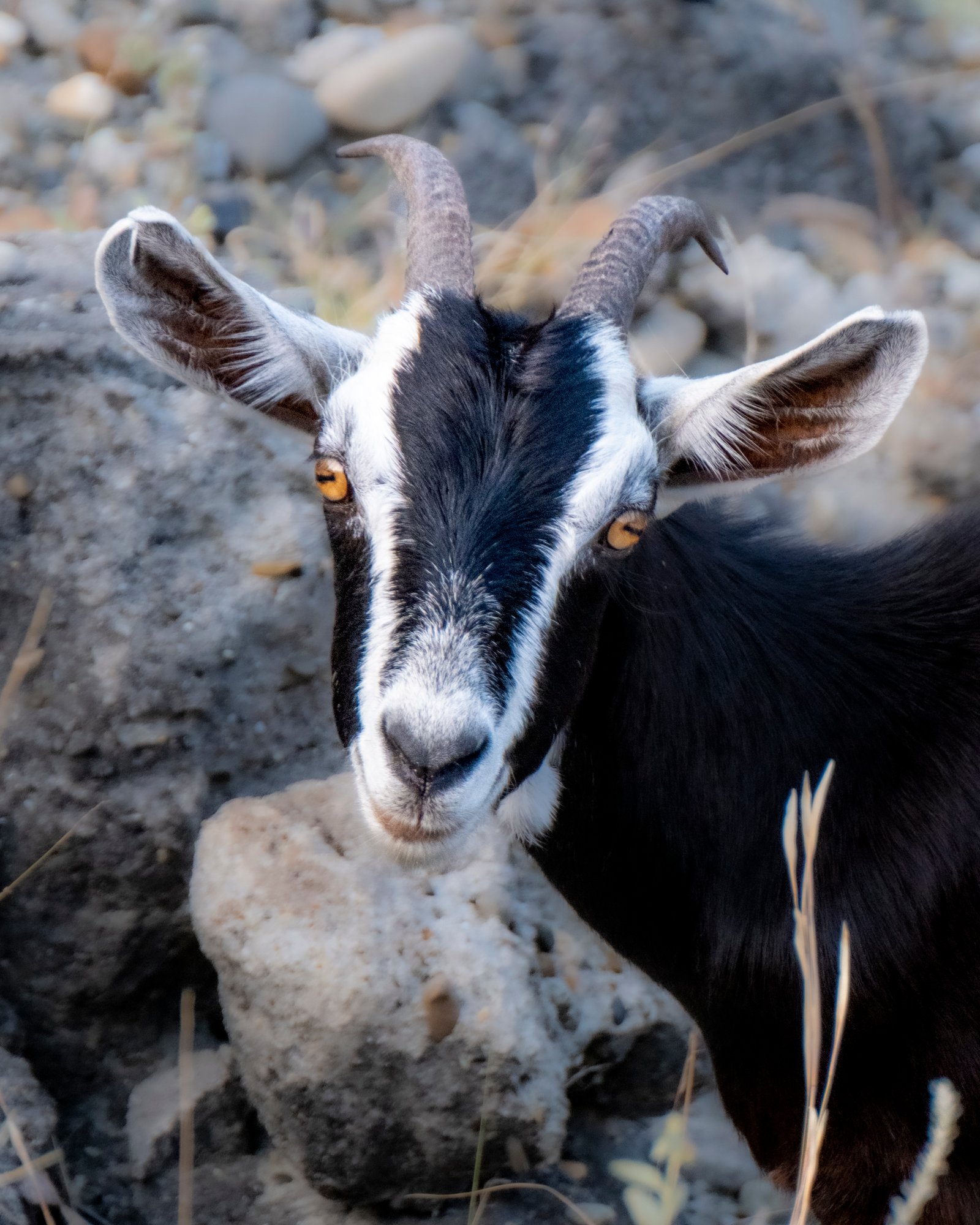
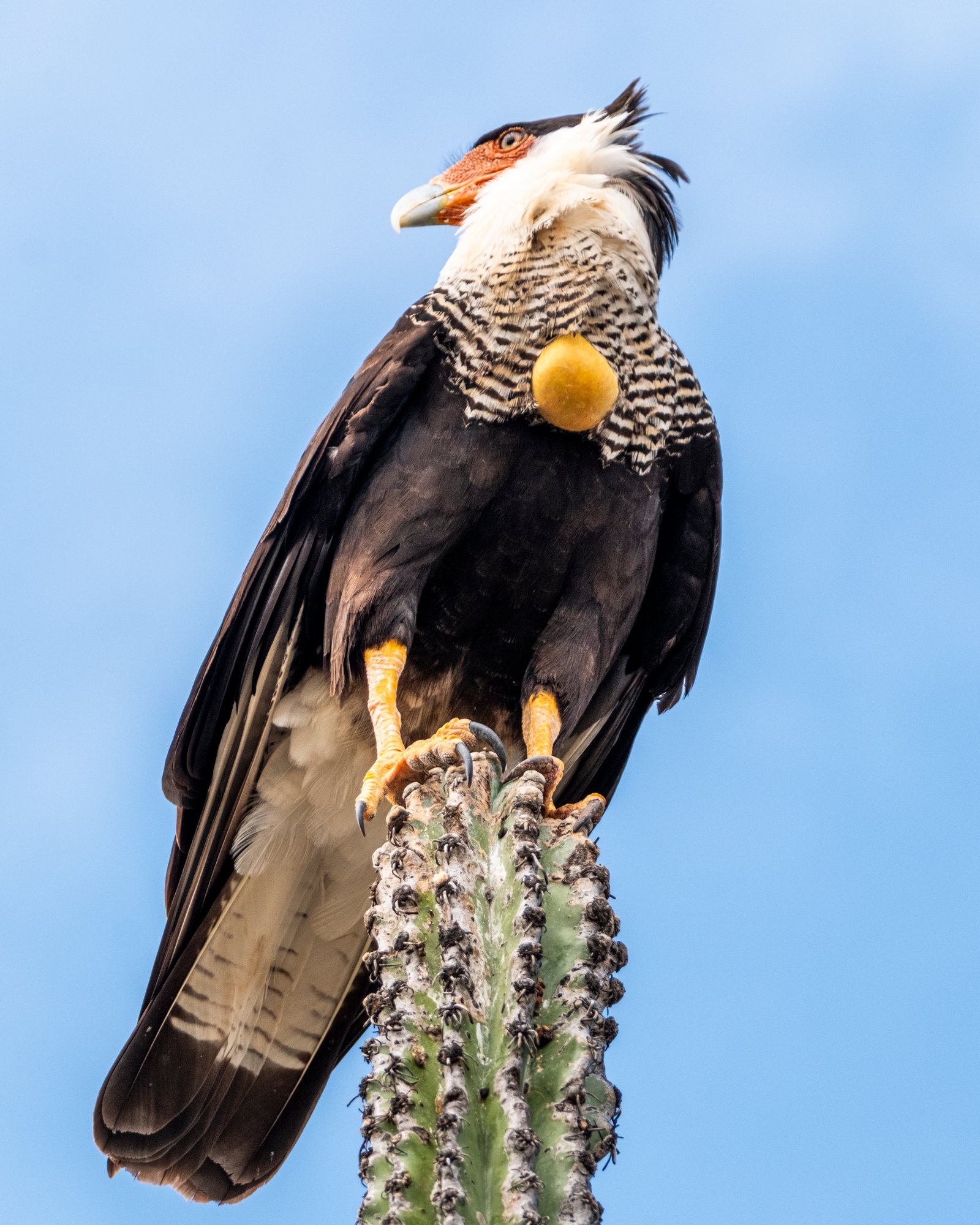
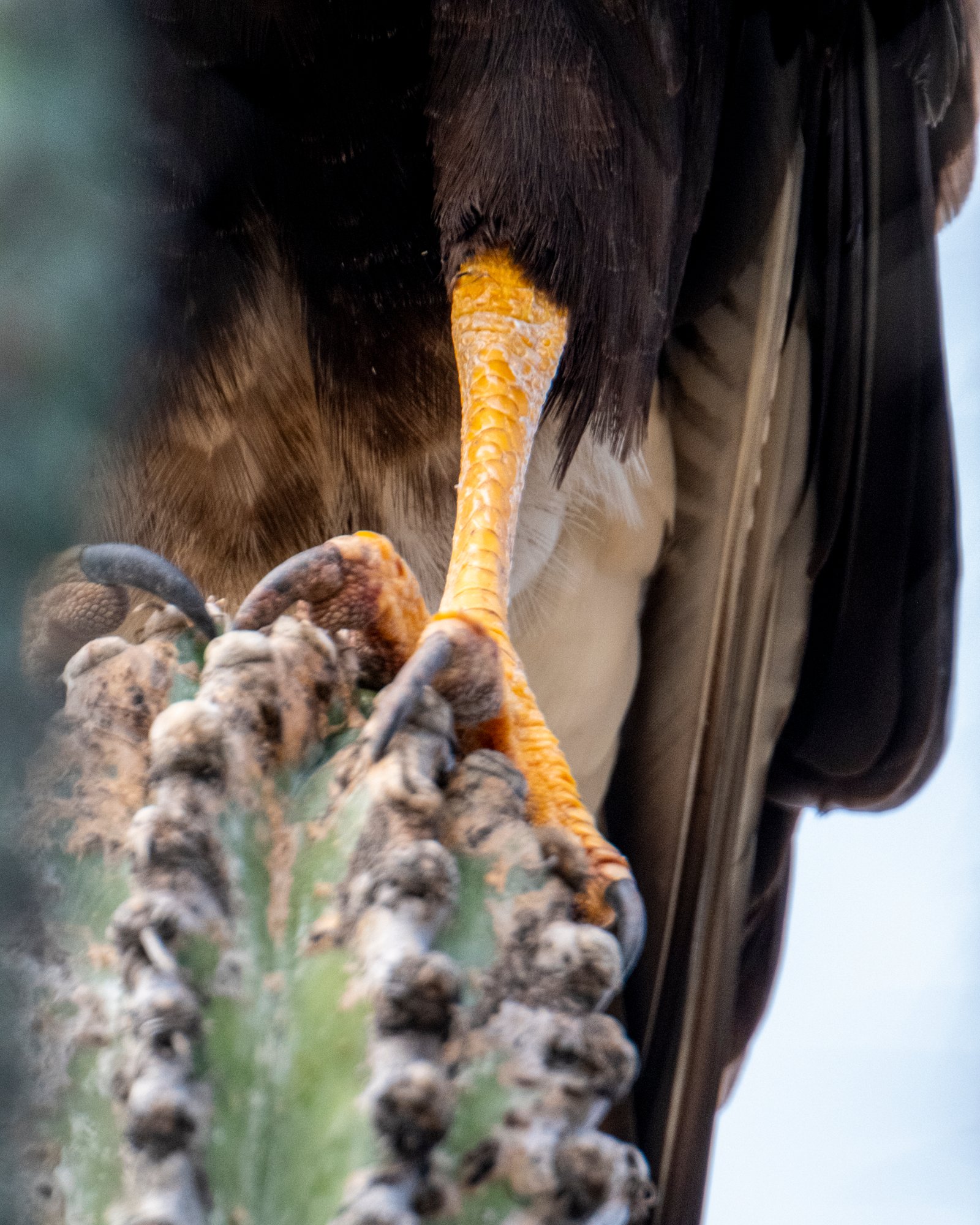
Typical desert fauna includes snakes, rodents, spiders, scorpions and lizards, as well as tortoises, ocelots, peccaries, deer, skunks, margays. As well as, goats and horses that belong to the local farmers.
For more wild Colombia camps click here.